Why Mardania Is the Arabic-Inspired Faux Font That Actually Works
Designing with Arabic typography can feel like walking a tightrope. On one side, you want that authentic, elegant Middle Eastern aesthetic that draws the eye and conveys heritage or luxury. On the other, you need to ensure your message remains legible to a global audience that might not read Arabic script. This is where Mardania steps in as a practical solution for designers, marketers, and content creators who need style without sacrificing clarity.
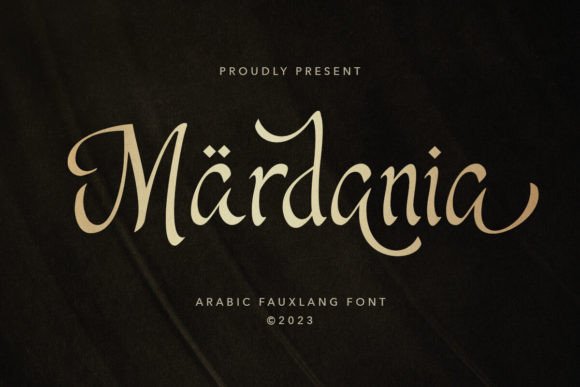
Mardania is an Arabic fauxlang font designed to mimic the visual rhythm of traditional Arabic calligraphy while maintaining the structural integrity of Latin characters. It isn’t just a decorative gimmick; it is a tool built to give projects an immediate "Arabian" feel while keeping them accessible. Whether you are crafting a wedding invitation, designing a brand identity, or creating social media content for Ramadan, understanding how to use this typeface effectively can elevate your work from standard to stunning.
Understanding What Mardania Actually Is
Before diving into applications, it helps to understand the mechanics behind the font. Mardania is categorized as a fauxlang, meaning it applies the stylistic nuances of Arabic letterforms—such as connected strokes, varying thickness, and fluid curves—to the Latin alphabet. The result is a typeface that looks exotic and culturally resonant but reads easily for English speakers.
The font includes stylish alternates that allow you to tweak the look on a character-by-character basis. These alternates add personality, making text feel hand-crafted rather than mechanically generated. Furthermore, Mardania supports multilingual text, numbers, and symbols, which is crucial for modern design projects that often blend multiple languages or require numerical data alongside stylized headlines.
Real-World Applications for Creators and Brands
The versatility of Mardania makes it suitable for a wide array of scenarios. Here is how different professionals are using it to solve specific design challenges.
Branding and Logo Creation
If you are launching a business related to travel, cuisine, fashion, or cultural events, your logo needs to communicate its identity instantly. A standard sans-serif font might fail to convey the warmth or heritage associated with Middle Eastern themes. By using Mardania for your logotype, you inject that cultural context immediately. The stylish alternates allow you to create unique ligatures or custom flourishes that make your logo memorable. For example, a boutique hotel chain could use Mardania to evoke the feeling of a desert oasis, while a spice brand might use it to suggest authenticity and tradition.
Wedding Invitations and Special Occasions
Weddings are deeply personal, and typography plays a huge role in setting the tone. For couples incorporating Arab culture into their union—or even those simply drawn to the romantic, flowing aesthetic of Arabic script—Mardania offers a sophisticated alternative to generic scripts. It provides the elegance of calligraphy without the complexity of learning actual Arabic calligraphy rules. When used for save-the-dates, menus, or place cards, it adds a layer of exclusivity and beauty. The support for numbers ensures that dates and room numbers integrate seamlessly into the design, maintaining visual harmony.
Ramadan and Islamic Holiday Content
Digital marketing sees a massive surge during religious holidays like Ramadan, Eid al-Fitr, and Eid al-Adha. Businesses and influencers need content that respects the occasion while remaining engaging. Mardania is perfectly suited for this because it aligns visually with the season’s aesthetic without appropriating sacred texts improperly. It works beautifully for:
- Social Media Graphics: Creating eye-catching quotes or announcements that fit the festive mood.
- Email Newsletters: Adding a header image or subject line accent that feels timely and relevant.
- Promotional Banners: Highlighting special offers or community events with a font that feels celebratory.
Because Mardania supports multilingual text, you can pair it with Arabic phrases if needed, creating a bilingual design that appeals to both local and international audiences.
Educational and Blogging Materials
Educators and bloggers covering topics related to Middle Eastern history, art, or language can use Mardania to break up monotony. Instead of relying on stock images to convey cultural context, you can use the font itself as a visual cue. For instance, a blog post about the architecture of Alhambra could use Mardania for pull quotes, reinforcing the topic through typography. This subtle reinforcement helps readers stay engaged and contextualize the information they are consuming.
Who Benefits Most from Mardania?
This font is particularly useful for users who lack specialized knowledge in Arabic calligraphy but still want that high-end look. Freelance graphic designers, small business owners, and hobbyists often struggle to find fonts that bridge the gap between Western readability and Eastern aesthetics. Mardania solves this by providing a ready-to-use solution.
For marketers, the font offers a way to stand out in crowded feeds. In a sea of Helvetica and Arial, a well-used Mardania headline can catch the eye due to its unique shape and flow. However, it is important to use it strategically. It is best suited for headlines, short phrases, and display text rather than long paragraphs of body copy. Overusing it can lead to visual fatigue and reduced readability.
Practical Considerations Before You Download
While Mardania is a powerful tool, there are a few things to keep in mind before integrating it into your projects.
Readability vs. Style
The primary strength of Mardania is its balance of style and readability. However, like any decorative font, it should not be overused. Reserve it for titles, subtitles, and key emphasis points. If you attempt to write entire articles or lengthy descriptions in Mardania, your audience may struggle to read the content. Use it to guide the eye, not to carry the weight of the message.
Licensing and Usage Rights
Always check the licensing terms associated with the font. Some fauxlang fonts have restrictions on commercial use, such as embedding in apps or printing on merchandise for resale. Ensure you have the appropriate license for your specific project, whether it is a personal blog, a corporate website, or a printed brochure. Using a font without proper permission can lead to legal issues down the line.
Pairing with Other Fonts
Mardania has a strong personality, so it pairs best with simple, neutral fonts. A clean sans-serif or a classic serif can provide a stable foundation that allows Mardania to shine. Avoid pairing it with other highly decorative or script fonts, as this can create a cluttered and chaotic design. The goal is to let Mardania be the star while supporting fonts play the background.
Conclusion
Mardania is more than just a pretty font; it is a strategic design asset. By blending the visual allure of Arabic calligraphy with the accessibility of the Latin alphabet, it opens up new creative possibilities for a wide range of users. From branding and weddings to holiday marketing and educational content, it offers a versatile solution for anyone looking to add a touch of Arabian elegance to their work. By understanding its strengths and limitations, you can use Mardania to create designs that are not only stunning but also effective and inclusive.