Senjamahesa: Organic Design for Bold Visual Identity
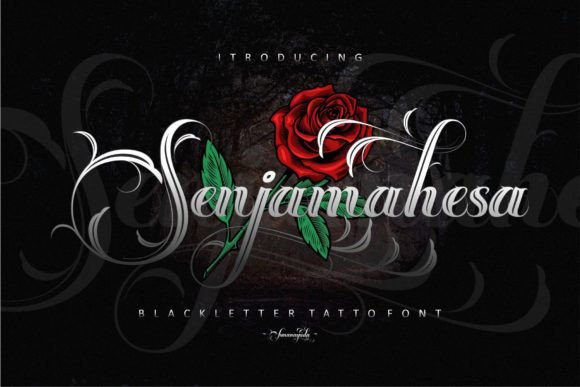
In a digital landscape saturated with geometric precision and minimalist abstraction, there is a growing desire for visual elements that feel alive, textured, and deeply rooted in nature. This is where Senjamahesa emerges as a compelling choice for creators seeking to break away from the sterile norms of modern design. Senjamahesa carries some strange shapes inspired by plants, mainly flowers, offering an aesthetic that is both organic and distinctly unconventional. It is not merely a decorative trend; it is a versatile design language that bridges the gap between biological complexity and graphic utility.
For professionals ranging from tattoo artists to industrial engineers, the unique morphology of Senjamahesa provides a fresh toolkit for expression. The design philosophy behind these forms relies on asymmetry, fluid lines, and intricate detailing that mimics the natural world’s tendency toward imperfection and variety. By understanding how to leverage these specific characteristics, you can elevate projects that require a strong emotional hook or a memorable visual signature.
The Aesthetic Power of Botanical Abstraction
At its core, Senjamahesa draws inspiration from the structural elegance of flora but distorts it into something more mysterious and artistic. Unlike traditional floral motifs that often rely on symmetry and recognizable petals, Senjamahesa introduces "strange shapes" that challenge the viewer’s perception. These forms are reminiscent of exotic blooms, twisted stems, and cellular structures found under a microscope, creating a visual tension that is highly engaging.
This approach matters because human beings are naturally drawn to patterns that resemble life. When used correctly, Senjamahesa evokes a sense of growth, resilience, and organic beauty. For brands and individuals looking to communicate authenticity and depth, this style offers a significant advantage over rigid, corporate-looking graphics. It signals that the entity behind the design values creativity and nuance. Whether you are designing a brand identity for a boutique skincare line or crafting a personal logo, the subtle curves and unexpected angles of Senjamahesa add a layer of sophistication that standard vector shapes cannot replicate.
Versatility Across Creative Industries
One of the most practical advantages of Senjamahesa is its adaptability across a wide spectrum of applications. Its unique structure allows it to function effectively in contexts where traditional logos might fail due to lack of distinction or overly generic appeal. Below are several key areas where this design style shines.
Tattoos and Body Art
For tattoo artists and enthusiasts, Senjamahesa offers a rich palette of designs that work exceptionally well on skin. The flowing, irregular lines mimic the way ink disperses slightly in the dermis, allowing for a soft, ethereal look that ages gracefully. The "strange shapes" provide enough detail to keep the artwork interesting up close, while the overall silhouette remains bold enough to be readable from a distance. Because the forms are inspired by flowers but abstracted, they avoid clichés associated with traditional rose or lily tattoos, offering clients a more personalized and modern aesthetic.
Calligraphy and Hand-Lettering
While calligraphy traditionally focuses on letterforms, integrating Senjamahesa-inspired flourishes can transform text into a piece of art. The organic curves of the plant-like shapes can serve as elegant connectors between letters or as standalone embellishments. This is particularly effective for wedding invitations, artisanal product labels, and high-end stationery. The contrast between structured typography and the wild, free-form nature of Senjamahesa creates a dynamic visual hierarchy that guides the eye and adds a touch of luxury.
Band Logos and Music Branding
In the music industry, visual identity is crucial for establishing a genre-specific vibe. Bands spanning genres from folk and indie rock to progressive metal often seek imagery that reflects complexity and emotion. Senjamahesa’s darker, more intricate interpretations of floral shapes can convey mystery, intensity, or raw energy. A band logo utilizing these strange, plant-derived forms stands out on merchandise, album covers, and social media profiles, helping fans instantly recognize the group’s unique artistic voice.
Clothing and Retail Branding
Fashion brands and retail shops benefit greatly from the tactile quality implied by Senjamahesa designs. When printed on clothing tags, woven into fabric patterns, or embossed on shopping bags, these shapes suggest craftsmanship and attention to detail. For sustainable fashion brands, the connection to plant life reinforces their commitment to eco-friendly practices without relying on obvious green symbols. The distinctive nature of the shapes ensures that the brand remains memorable in a crowded marketplace.
Industrial and Technical Applications
Perhaps surprisingly, Senjamahesa also finds utility in industrial needs. In fields such as packaging design, interior wall textures, or even component casing aesthetics, the non-repeating, organic patterns can hide wear and tear better than uniform geometric grids. Additionally, in 3D modeling and prototyping, the algorithmic generation of Senjamahesa-like structures can inspire efficient, lightweight designs that borrow from nature’s engineering principles. The ability to scale these shapes from micro-details to large-scale installations makes them a flexible tool for engineers and designers alike.
Strategic Considerations for Implementation
While the benefits of using Senjamahesa are clear, successful implementation requires thoughtful planning. The complexity of these shapes means that they must be handled with care to ensure they remain legible and effective at various sizes. Here are some practical recommendations for integrating this style into your projects.
- Scalability Testing: Always test your Senjamahesa-based designs at different scales. What looks intricate and beautiful on a billboard may become a muddy blob on a favicon or business card. Simplify details for smaller formats while retaining the core "strange shape" essence.
- Color Palette Selection: The impact of Senjamahesa is heavily influenced by color. Earth tones, deep greens, and muted pastels enhance the botanical connection, while high-contrast monochromatic schemes can emphasize the graphic nature of the shapes. Choose palettes that align with the emotional tone you wish to convey.
- Balance with Negative Space: Because the shapes are complex, they require adequate breathing room. Avoid overcrowding your composition. Let the negative space define the contours of the plant-inspired forms, ensuring that the design feels open and inviting rather than cluttered.
- Contextual Relevance: Not every project calls for an organic, floral-inspired aesthetic. If your brand or message is centered around speed, precision, or cold technology, Senjamahesa might create cognitive dissonance. Use it when your goals align with themes of growth, nature, creativity, or human-centric design.
Who Should Embrace Senjamahesa?
This design style is particularly well-suited for entrepreneurs who want to differentiate themselves through storytelling, educators who wish to make learning materials visually stimulating, and freelancers looking to expand their stylistic repertoire. Bloggers and content creators can use Senjamahesa elements to break up long blocks of text and add visual interest to digital articles. Meanwhile, small business owners in the wellness, arts, and lifestyle sectors will find that this aesthetic resonates deeply with their target audiences.
However, it is important to acknowledge limitations. Senjamahesa is not a one-size-fits-all solution. It may not appeal to conservative industries like finance or law, where stability and tradition are paramount. In such cases, a subtle nod to organic shapes might be appropriate, but a full adoption could undermine perceived credibility. Therefore, always assess your audience’s expectations before committing to this bold visual direction.
Conclusion
Senjamahesa represents more than just a stylistic preference; it is a strategic asset for those willing to embrace the beauty of imperfection and the complexity of nature. By leveraging its strange, flower-inspired shapes, you can create designs that are not only visually striking but also emotionally resonant. Whether you are tattooing a permanent reminder, branding a new clothing line, or solving an industrial design challenge, Senjamahesa offers a unique pathway to stand out. As you explore its potential, remember to balance creativity with clarity, ensuring that your final output communicates your intended message effectively. In doing so, you tap into a timeless source of inspiration that continues to evolve and inspire new generations of creators.