Cybergame: Elevating Digital Projects with Futuristic Glyph Design
In an era where digital interfaces compete for attention in milliseconds, visual distinctiveness is no longer a luxury—it is a necessity. As designers and developers strive to create immersive user experiences, the typography chosen to anchor these projects plays a pivotal role in defining the brand’s identity. This is where Cybergame emerges as a transformative tool. Characterized by its shameless, fearless, and unique glyphs, this futuristic typeface offers more than just legibility; it provides an unimaginable touch that can redefine how audiences perceive modern digital content.
Understanding the Cybergame Aesthetic
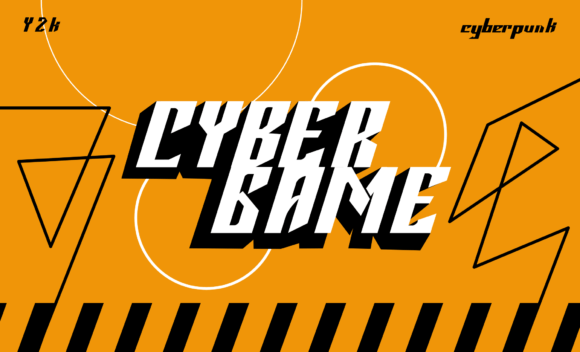
To appreciate the utility of Cybergame, one must first understand the philosophy behind its design. Unlike traditional serif or sans-serif fonts that prioritize neutrality and readability above all else, Cybergame embraces complexity and character. The term "shameless" in its description refers to its bold refusal to blend into the background. It demands attention through sharp angles, unconventional spacing, and glyphs that appear almost alien yet deeply rooted in cybernetic aesthetics.
The "fearless" aspect speaks to its structural integrity. These glyphs do not shy away from aggressive lines or asymmetrical balances, making them ideal for contexts that require strength and innovation. Meanwhile, the "unique glyphs" ensure that every letterform carries a narrative weight, turning simple text into a visual experience. For professionals seeking to break free from the monotony of standard web fonts, Cybergame offers a sophisticated solution that aligns with forward-thinking design principles.
Addressing Common Design Challenges
Many creators face a specific set of challenges when attempting to convey themes of technology, futurism, or high-energy entertainment. Standard fonts often fall short, resulting in designs that feel dated or generic. Here are common situations where traditional typography fails and where Cybergame shines:
- Lack of Differentiation: In saturated markets, such as gaming or tech startups, brands struggle to stand out. Using a ubiquitous font can make a project look indistinguishable from competitors.
- Failing to Convey Mood: Text needs to evoke emotion. A corporate sans-serif cannot easily communicate the adrenaline of a sci-fi thriller or the precision of a data-driven interface.
- Visual Fatigue: Users are accustomed to clean, minimal text. Introducing a font with unique glyphs can refresh the visual landscape, preventing viewer fatigue during long-form reading or interactive navigation.
Cybergame addresses these issues by acting as a visual anchor. Its distinctive shape language immediately signals to the user that they are entering a specialized, high-tech environment. This reduces cognitive load by setting clear expectations about the content's tone before a single word is fully read.
Practical Applications and Use Cases
The versatility of Cybergame allows it to be applied across various sectors, provided it is used with strategic intent. Below are practical scenarios where implementing this typeface can yield significant improvements in user engagement and brand perception.
Gaming and Esports Branding
In the gaming industry, identity is everything. Whether designing a HUD (Heads-Up Display) for a video game or creating promotional materials for an esports tournament, Cybergame’s fearless glyphs can enhance the sense of immersion. Use it for player names, scoreboards, or mission objectives. The unique shapes can mimic digital artifacts or glitch effects, adding depth to the visual storytelling without requiring complex graphic overlays.
Tech Startups and SaaS Platforms
For software-as-a-service companies focusing on AI, blockchain, or cybersecurity, trust and innovation are key selling points. While body text should remain highly readable, using Cybergame for headlines, call-to-action buttons, or logo lockups can signal cutting-edge capability. It suggests that the product is built on advanced technology, appealing directly to early adopters and tech-savvy consumers.
Fashion and Streetwear E-Commerce
The intersection of fashion and digital culture is fertile ground for futuristic typography. Streetwear brands often draw inspiration from cyberpunk aesthetics. Incorporating Cybergame into website headers, product tags, or email marketing campaigns can create a cohesive brand universe. The shameless nature of the font aligns well with bold fashion statements, allowing the typography itself to become part of the merchandise design.
Implementation Strategies for Best Results
While Cybergame is powerful, its impact depends heavily on how it is implemented. To maximize its potential, consider the following recommendations:
- Pairing is Key: Because Cybergame is visually dense and unique, it pairs best with minimalist, neutral typefaces for body copy. A clean sans-serif like Helvetica Now or Roboto can provide the necessary contrast, ensuring that long paragraphs remain accessible while the headings retain their futuristic flair.
- Strategic Hierarchy: Do not overuse the font. Reserve Cybergame for high-impact areas such as H1 and H2 headers, navigation menus, or emphasis words. Overusing unique glyphs can lead to visual clutter and reduce overall readability.
- Contextual Color Usage: The effectiveness of Cybergame is amplified by color. Neon accents against dark backgrounds can highlight the glyph details, while monochromatic schemes can emphasize the structural uniqueness of the letters. Experiment with gradients to enhance the futuristic feel.
- Responsive Adaptation: Ensure that the font renders correctly at different sizes. Some unique glyphs may lose detail when scaled down too small. Test your design across devices to maintain the intended aesthetic impact.
Who Should Consider Cybergame?
This typeface is particularly suited for creative directors, UI/UX designers, and marketers who are looking to inject personality into their digital assets. It is less suitable for formal legal documents or academic papers where neutrality is paramount. Instead, it thrives in environments where brand voice is strong, experimental, and audience-focused.
By leveraging the unique qualities of Cybergame, you are not just choosing a font; you are making a statement about the future of your project. It invites users to engage with content that feels alive, dynamic, and distinctly modern. In a digital landscape crowded with sameness, Cybergame offers the courage to be different, providing an unimaginable touch that resonates with adults seeking substance and style in equal measure.
Conclusion
The choice of typography is a critical decision that influences user perception and interaction. Cybergame stands out as a robust solution for those aiming to create memorable, futuristic digital experiences. Its shameless and fearless design language offers a pathway to differentiation, helping projects achieve greater visibility and emotional connection. By understanding its applications and implementing it strategically, you can transform ordinary text into a compelling visual narrative that drives engagement and reinforces brand identity.