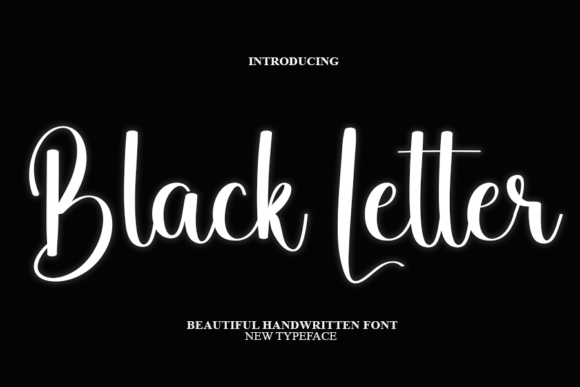
Black Letter: The Timeless Elegance of Handwritten Typography
In an age dominated by sleek digital interfaces and minimalist design, the Black Letter font stands out as a breath of fresh air. This delicate handwritten font is more than just a stylistic choice—it’s a bridge between tradition and modernity, offering a unique aesthetic that can elevate any project. From personal correspondence to branding materials, Black Letter brings a sense of authenticity and artistry that resonates with both creators and consumers.
The Origin and Appeal of Black Letter
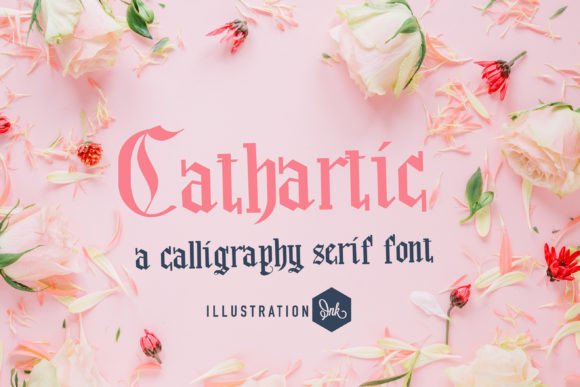
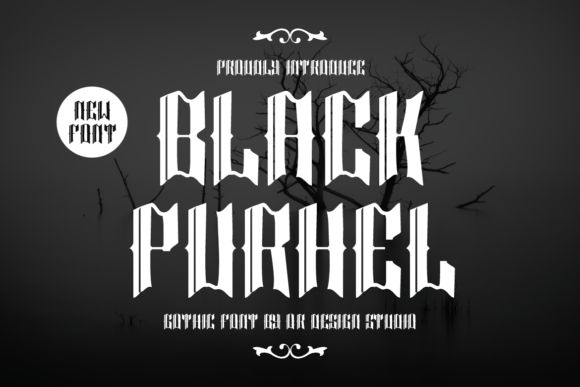
Black Letter, also known as Gothic script in some contexts, has roots in medieval European calligraphy. Its bold, angular strokes and flowing curves once adorned religious manuscripts, official documents, and artistic works. Today, the modern interpretation of this classic style—Black Letter—has evolved into a refined and elegant handwritten typeface. It retains the character of its historical counterpart while adapting to contemporary design sensibilities.
This font appeals to a wide audience because it evokes a sense of nostalgia without feeling outdated. Its intricate details and organic feel make it perfect for projects where personality and visual storytelling are key. Whether you're designing a wedding invitation or a gourmet food label, Black Letter adds a layer of sophistication that few other fonts can match.
Why Black Letter Matters Now
As we move further into the digital era, there's been a noticeable shift back toward human elements in design. Consumers are increasingly drawn to brands and content that feel personal, genuine, and handcrafted. Black Letter taps into this desire for authenticity, offering a visual language that speaks to emotion and individuality.
Professionals across industries—from marketing to education—are recognizing the value of such fonts in connecting with their audiences. A handwritten font like Black Letter can transform a standard logo or product name into something memorable and distinctive. It's not just about looking different; it's about standing out in a crowded market and leaving a lasting impression.
Applications Across Industries
The versatility of Black Letter makes it suitable for a variety of applications. Here are some common use cases:
- Personal Letters and Invitations: The font's elegance and warmth make it ideal for thank-you notes, birthday cards, and formal invitations.
- Food and Beverage Packaging: In the culinary world, Black Letter can evoke a sense of artisanal quality and heritage, especially on labels for specialty products like handmade chocolates, craft beers, or boutique wines.
- Titles and Headlines: Used sparingly, Black Letter can create powerful visual impact in book covers, movie titles, or blog headers.
- Brand Identity: Startups and small businesses often use this font to convey creativity, craftsmanship, and a personal touch.
- Design Projects: Graphic designers and illustrators appreciate the font for its ability to add a hand-drawn charm to posters, greeting cards, and packaging designs.
Its adaptability means that whether you’re crafting a vintage-style menu for a farm-to-table restaurant or designing a modern logo with a retro twist, Black Letter can fit seamlessly into your creative workflow.
Real-World Examples
Many well-known brands have successfully integrated Black Letter into their identities. For instance, a local bakery might use it for their storefront signage to emphasize a home-cooked feel. Similarly, a boutique clothing store could feature the font on their tags and packaging to highlight a curated, artisanal approach.
In the digital realm, bloggers and content creators often use Black Letter for headings or pull quotes to add a personal flair to their posts. Educators might incorporate it into lesson plans or certificates to give them a more engaging and professional appearance. These real-world applications demonstrate how the font can be tailored to suit diverse needs while maintaining its core appeal.
Integrating Black Letter into Modern Workflows
With the rise of remote work and digital communication, the demand for fonts that blend professionalism with personality has grown. Black Letter fits perfectly into this space, allowing users to maintain a polished look while adding a touch of warmth and creativity.
For professionals who rely on digital tools like Adobe Photoshop, Illustrator, or even Canva, using Black Letter is straightforward. Most platforms support downloadable fonts, making it easy to integrate into any design. Additionally, the font’s readability at larger sizes ensures it remains legible and effective, even when used for headlines or banners.
Entrepreneurs and marketers should consider how Black Letter can enhance their brand messaging. A handwritten font can make promotional materials feel more intimate and trustworthy, which is particularly important in niches like wellness, lifestyle, and personal services. When customers see a brand that uses thoughtful typography, they’re more likely to perceive it as authentic and high-quality.
Best Practices for Using Black Letter
To get the most out of Black Letter, it’s important to use it wisely. Here are a few tips:
- Balance Style and Legibility: While the font is beautiful, overuse can lead to visual clutter. Pair it with a clean sans-serif or serif font for body text to maintain readability.
- Use Sparingly: Apply Black Letter to short phrases, logos, or decorative elements rather than long blocks of text. This preserves its impact and avoids overwhelming the reader.
- Consider Context: Ensure the font aligns with your project’s tone and purpose. A romantic wedding invitation may benefit from Black Letter, but a technical report would not.
- Pair with Texture: Enhance the font’s handcrafted feel by using background textures like parchment, linen, or watercolor washes. This creates a cohesive and visually rich design.
By following these guidelines, users can harness the power of Black Letter without compromising clarity or usability. The key is to let the font shine in the right places while ensuring the overall design remains functional and appealing.
Trends Driving the Popularity of Handwritten Fonts
The growing popularity of handwritten fonts like Black Letter is part of a broader trend toward personalization and emotional connection in design. As people become more discerning about the aesthetics they encounter daily, they gravitate toward visuals that feel handpicked rather than mass-produced.
Moreover, the increasing availability of high-quality digital fonts has made it easier than ever to experiment with typographic styles. Designers no longer need to commission custom calligraphy for every project—they can access a vast array of options, including Black Letter, with just a few clicks. This accessibility has democratized design, enabling more individuals and small businesses to create visually compelling content without specialized skills.
Changing User Expectations
Today’s users expect more from the content they consume. They want it to feel relevant, relatable, and original. Handwritten fonts help meet these expectations by adding a human element to otherwise sterile digital formats. Whether it's a social media post, a website banner, or a printed brochure, Black Letter can inject warmth and uniqueness into the design.
This shift in user expectations is especially evident in marketing and advertising. Brands that leverage handwritten typography often see higher engagement rates, as the style feels less corporate and more personable. In sectors like fashion, food, and lifestyle, where storytelling is essential, Black Letter provides a natural advantage.
Black Letter in the Creative Industry
For creatives, Black Letter is more than just a font—it's a tool for expression. Illustrators, photographers, and designers often use it to complement their work, creating a unified visual narrative. The font’s ornate yet readable style allows it to serve as a focal point in compositions without overshadowing other elements.
Freelancers and independent artists can also benefit from using Black Letter in their portfolios or promotional materials. It helps establish a signature look that sets them apart from competitors who rely on standard fonts. In a saturated market, having a unique visual identity is crucial, and Black Letter offers an excellent way to achieve that.
Technology and Accessibility
Thanks to advancements in font technology, Black Letter is now more accessible and versatile than ever before. Many versions of the font come with OpenType features, allowing for ligatures and alternate characters that mimic the flow of actual handwriting. This level of detail enhances the font’s authenticity and makes it suitable for a wide range of applications.
Additionally, with the proliferation of mobile design apps and cloud-based tools, creatives can use Black Letter on-the-go. Whether you're sketching ideas on your tablet or finalizing a layout on your laptop, the font adapts to your workflow. This flexibility is invaluable in today’s fast-paced creative environment.
Why You Should Care About Black Letter
If you're a business owner, marketer, designer, or simply someone who appreciates good typography, Black Letter is worth considering. It's a font that doesn’t just look good—it tells a story. Every stroke conveys a sense of care and intention, which can translate into stronger connections with your audience.
Moreover, as trends continue to favor personalized and handcrafted aesthetics, investing in a font like Black Letter can future-proof your design choices. It’s adaptable enough to work in various contexts while retaining its distinct character. That balance makes it a valuable asset for anyone looking to stand out in a competitive landscape.
Getting Started with Black Letter
If you're new to using handwritten fonts, Black Letter is a great place to start. Begin by identifying where the font can add the most value to your project. Experiment with different color schemes and layouts to see what works best. Don’t be afraid to pair it with simpler fonts to create contrast and visual interest.
You can find Black Letter on several font marketplaces, including Google Fonts, Adobe Fonts, and creative communities like Dafont or Font Squirrel. Always ensure you choose a version that suits your specific needs—some variations may be better suited for print, while others excel in digital environments.
Remember, the goal is to enhance your message, not obscure it. Use Black Letter thoughtfully and strategically to create designs that are both beautiful and effective.
Final Thoughts on Black Letter
Black Letter is a testament to the enduring appeal of handwritten typography. In a world where everything seems automated and impersonal, this font reminds us of the beauty of human touch. Its relevance continues to grow as more people seek ways to connect through design, and its versatility ensures it will remain a favorite among professionals and hobbyists alike.
Whether you're designing a personal letter, a brand logo, or a digital campaign, Black Letter offers a unique opportunity to infuse your work with character and charm. By understanding its history, applications, and best practices, you can unlock its full potential and create content that truly stands out.